

Blog
Pink Dolphin Apparel | American Streetwear Label

Pink Dolphin Apparel
Pink Dolphin Apparel developed around an approach to streetwear that puts colorful graphics and recognizable designs at the center of the product. Founded in 2008 by Cena Barhaghi and Neima Khaila, the Los Angeles-based label entered a market where graphic T-shirts were already popular. Its challenge was to create clothing that customers could identify with the brand rather than treat as another printed shirt.
Turning Graphic Clothing Into a Brand Identity
A graphic T-shirt can be easy to produce, but building a clothing label around one requires a consistent design direction. Pink Dolphin used vivid colors, prominent artwork, and distinctive prints to give its apparel a recognizable appearance. These choices helped establish a visual identity that could carry across different garments and collections.
Color plays an important role in how graphic streetwear is perceived. A bright design can attract attention immediately, while the placement and scale of an illustration can change the entire feel of a shirt. Pink Dolphin’s approach placed these visual elements near the center of the product, making the artwork an important reason for choosing a piece.
The strategy also created room for variation. A collection could introduce new graphics and color combinations without abandoning the characteristics customers associated with the label. That balance between consistency and change is important for any brand that depends on printed apparel.
Why the T-Shirt Was an Important Starting Point
T-shirts provide a relatively direct way for a new clothing brand to introduce its designs. They are easier to incorporate into everyday outfits than many specialized garments, and their front and back panels provide space for artwork, lettering, and symbols.
For Pink Dolphin, starting with smaller clothing releases gave the founders a foundation from which to develop the business. Rather than needing a complete wardrobe of products from the beginning, the brand could build recognition through individual designs and seasonal collections.
However, a successful T-shirt business requires more than attractive graphics. Fit, fabric feel, print quality, and consistency between production batches all influence whether customers are satisfied with their purchases. The design may capture attention first, but the garment itself determines how well the product performs after it is worn and washed.
Moving Into a Broader Clothing Range
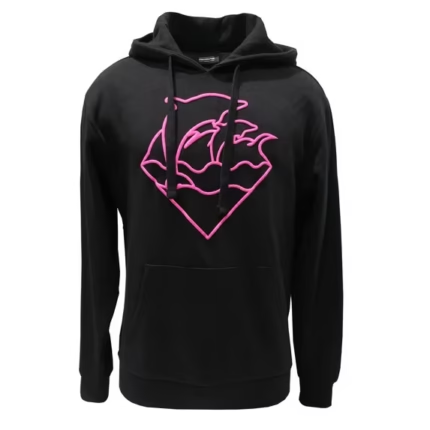
As Pink Dolphin Merch grew, its clothing selection expanded beyond graphic T-shirts into categories such as denim, outerwear, and fleece. This gave the brand additional ways to use its design identity across different types of apparel.
The expansion also changed what customers could expect from the label. A T-shirt might be the starting point for someone discovering Pink Dolphin, while denim or outerwear could become part of a more complete outfit. Coordinating different categories creates opportunities to bring related colors, graphics, and styling choices together.
Product expansion also comes with trade-offs. Different garments require different approaches to construction, sizing, and material selection. Denim needs to be assessed for fit and durability, while outerwear requires attention to layering and practical use. Maintaining a consistent identity across these categories means adapting the design approach to each product rather than simply repeating the same graphic everywhere.
The Role of Retail in Brand Recognition
Pink Dolphin’s development was not limited to the clothing itself. Physical retail gave the label another way to reach shoppers and present its collections in person. Its presence in Los Angeles connected the brand with a city that has a long-established relationship with music, youth culture, and streetwear.
A store changes how people experience a clothing brand. Customers can compare garments directly, inspect prints and fabrics, and see how different pieces work together. For a label built around visible design details, this kind of interaction can make the product easier to understand than a photograph alone.
Retail expansion also introduces financial and operational responsibilities. Rent, staffing, stock management, and location selection all affect the business. Opening a store can increase visibility, but its long-term value depends on whether customer demand supports the additional costs.
Competing in a Crowded Streetwear Market
Pink Dolphin Clothing operates within a category where graphic clothing is widely available. Many labels use oversized prints, striking colors, and references to youth culture. In that environment, a recognizable name and attractive artwork are useful, but they are not enough by themselves to guarantee lasting demand.
A clothing brand must give customers reasons to choose its products over alternatives. Those reasons may include a preferred fit, artwork that matches personal taste, reliable quality, or a collection that feels consistent with the customer’s wardrobe.
For Pink Dolphin, keeping the relationship between its graphics and broader apparel range coherent is particularly important. If new products retain a recognizable connection to the brand while offering something different, the collection can develop without becoming repetitive.
What Defines Pink Dolphin Apparel
Pink Dolphin’s place in U.S. streetwear comes from its emphasis on graphic-led clothing, colorful designs, and expansion from T-shirts into a wider range of apparel. The brand’s development illustrates how a focused product category can become the foundation for a larger clothing business.
Its story also highlights a practical lesson: recognition and growth are separate challenges. A distinctive design can help attract attention, but product quality, consistent execution, customer satisfaction, and sound business decisions are necessary to support a brand over time. Pink Dolphin’s evolution from graphic shirts toward a broader clothing range shows how visual identity can provide a starting point for that process.